Shopping Cart
There are no more items in your cart


- -5%

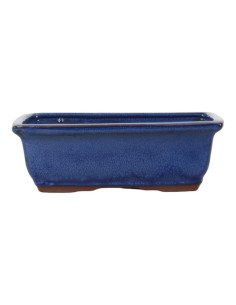
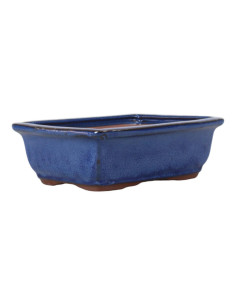
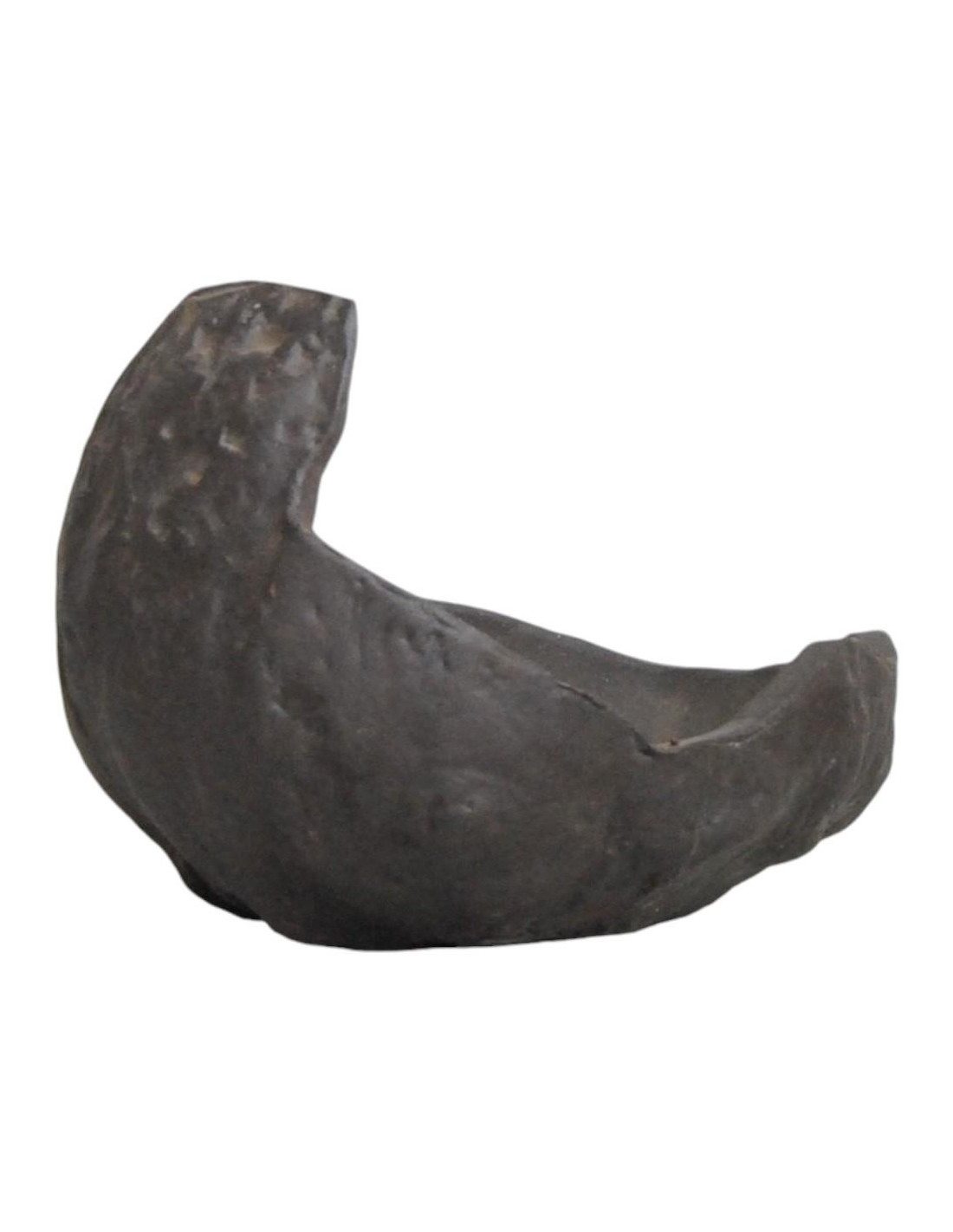
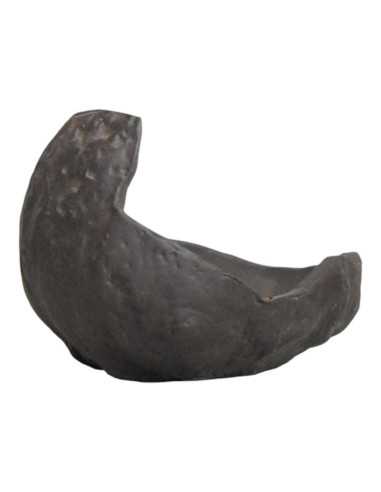
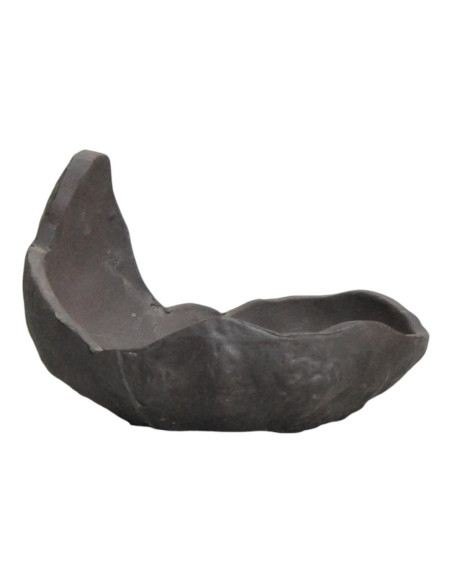
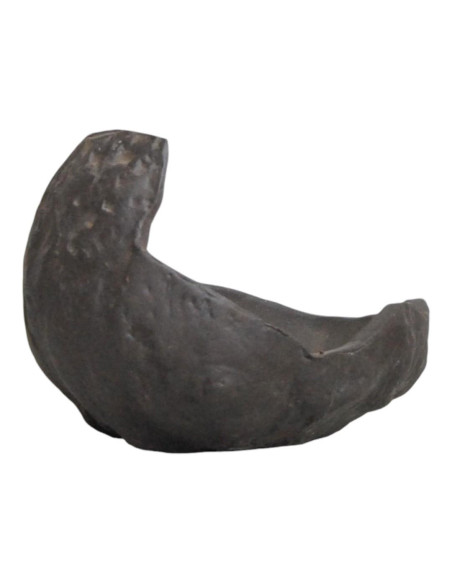
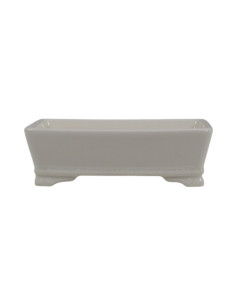
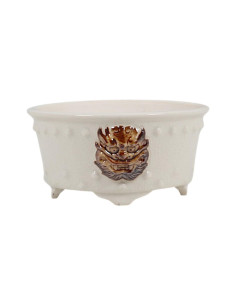
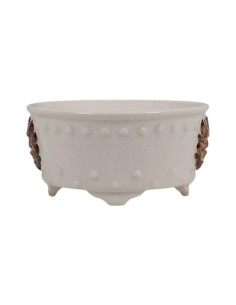
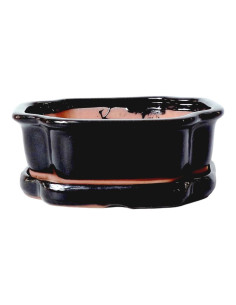
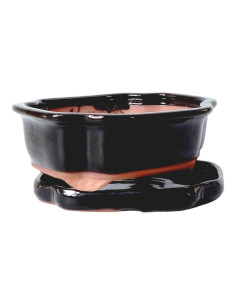
This model is handmade.
Produced in Yixing, the Chinese capital of quality ceramics for Bonsai.
Some models are exclusive, handcrafted by renowned authors, featuring one or more stamps that identify them.
Given the artisanal nature of the pots, there may be slight differences in the pot's dimensions or slight variations in tone.
The name of the Kurama stones comes from the name of the Kuramagawa river, which is located near Kyoto, Japan. It was in this river that a "vein" of ferruginous granite formed, giving rise to these well-known stones.
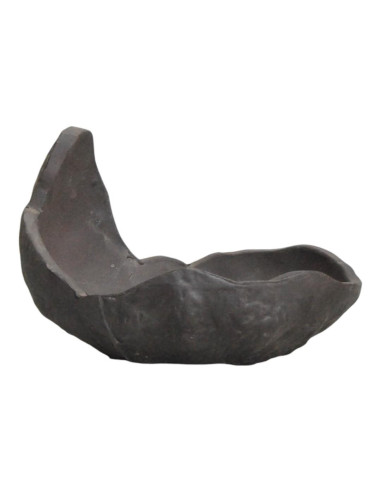
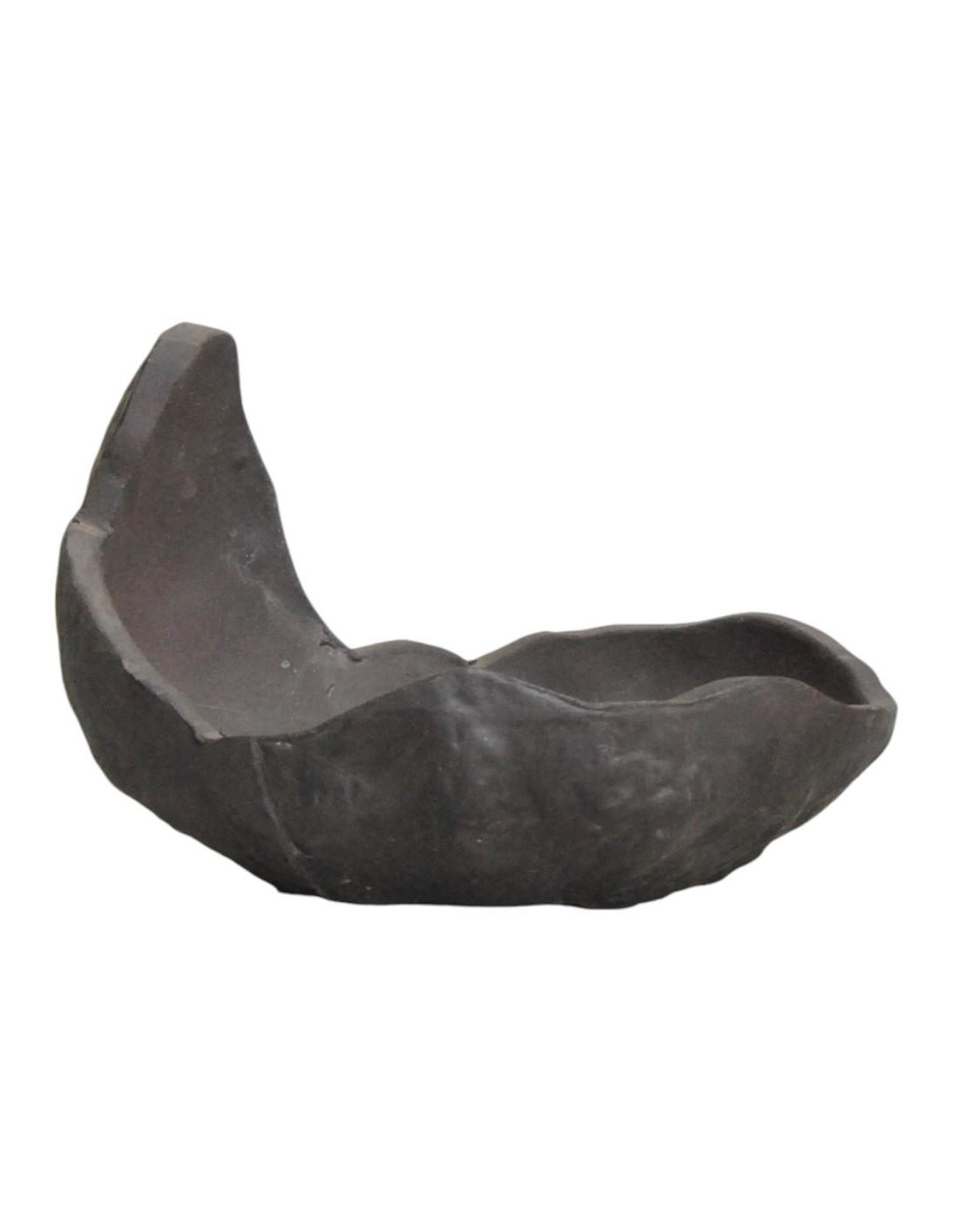
Given the scarcity and high prices that natural Kuramas reach nowadays, inspired by their originality, many ceramicists make pots simulating the shapes and textures of Kurama.
These ceramics modeled after Kurama are used in bonsai styles where the intention is to emphasize nature; styles such as "Wind Beaten," forests, or plants with a lot of deadwood fit perfectly with Kurama.
The blocks of these stones (Kurama ishi) were usually found in the form of flat or curved layers, which when separated gave rise to different shapes, reminding us of the different lunar cycles, such as Mikazuki (waning crescent).
But the most common was Funagata (boat-shaped), widely used for Bonsai of the inclined style. There are also Kuramas with flatter shapes, suitable for the formation of forests.
Among the classification of Kurama, there is another variety called Kurokurama, black in color, which are used for Suiseki and Ikebana.
Some of the sensations evoked in the creation of Kuramas:
Wabi: can mean melancholic, sad, quiet, still, modest, solitary, disappointed, calm. Wabi is a subjective feeling evoked by an object.
Sabi: can mean old, serene, ancient, mature. The presence of Sabi suggests patina or other signs of time.
Shibui: can mean quiet, elegant, moderate, reserved, and refined. Quiet and discreet elegance.
Yugen: can mean obscurity, emptiness, mysterious, profound, uncertain.







 0 review