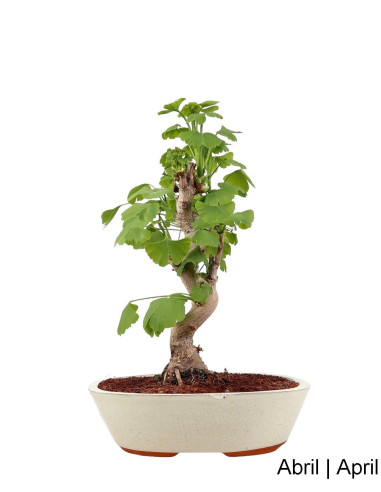
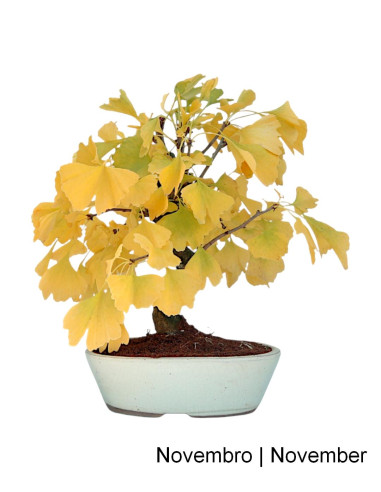
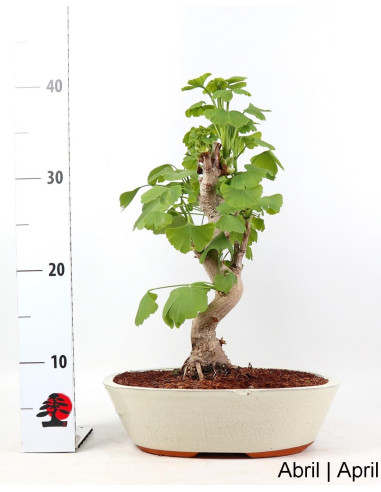
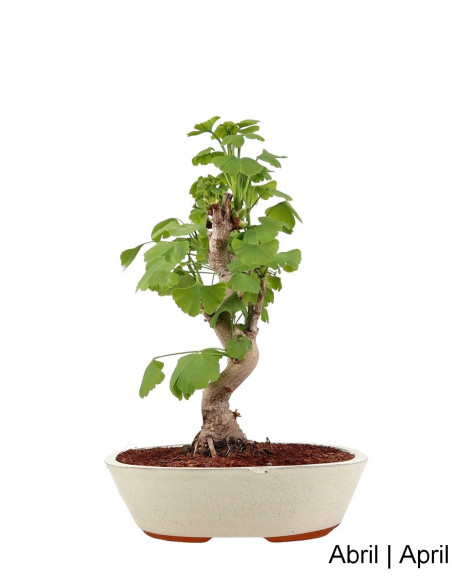
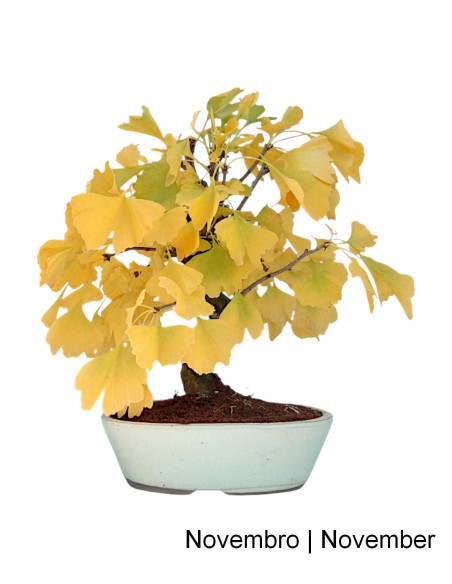
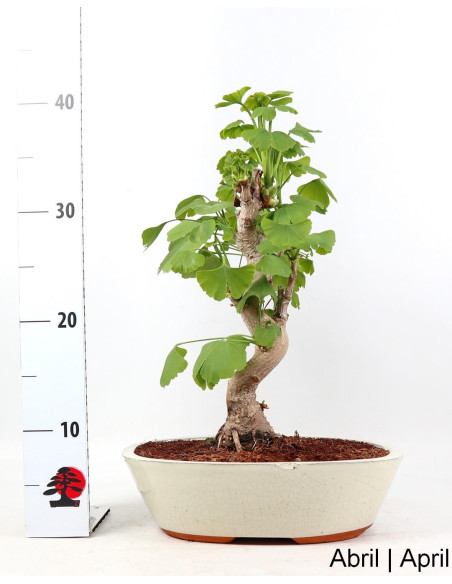
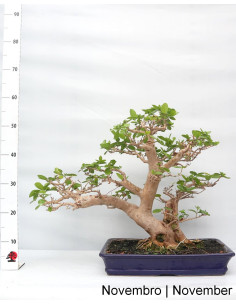
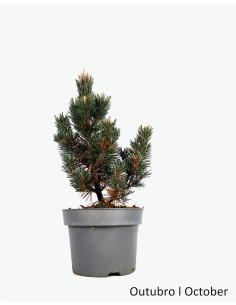
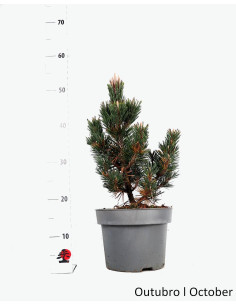
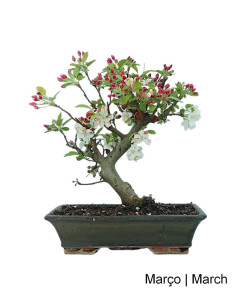
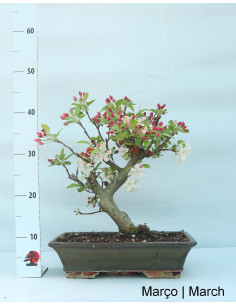
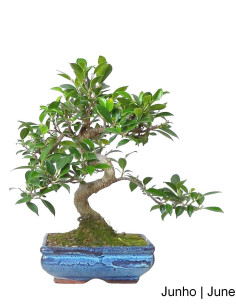
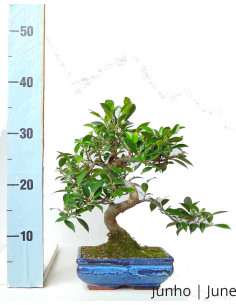
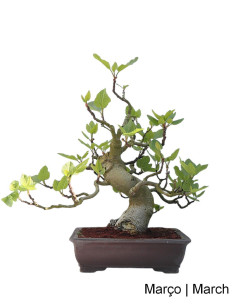
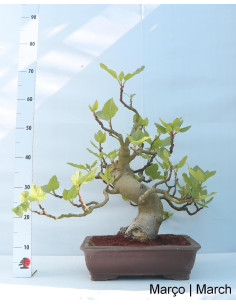
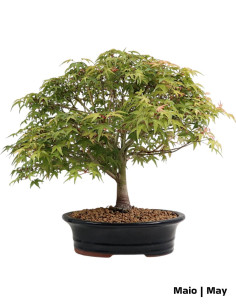
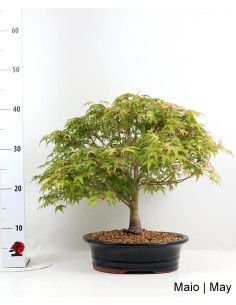
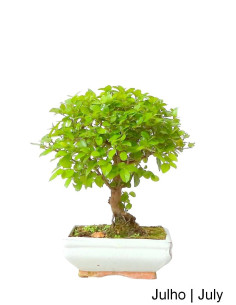
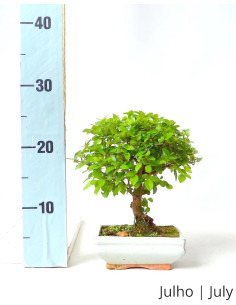
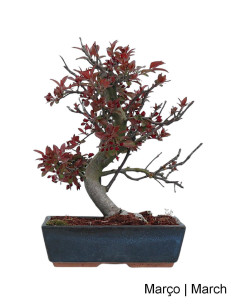
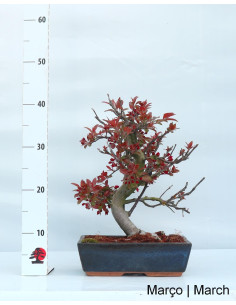
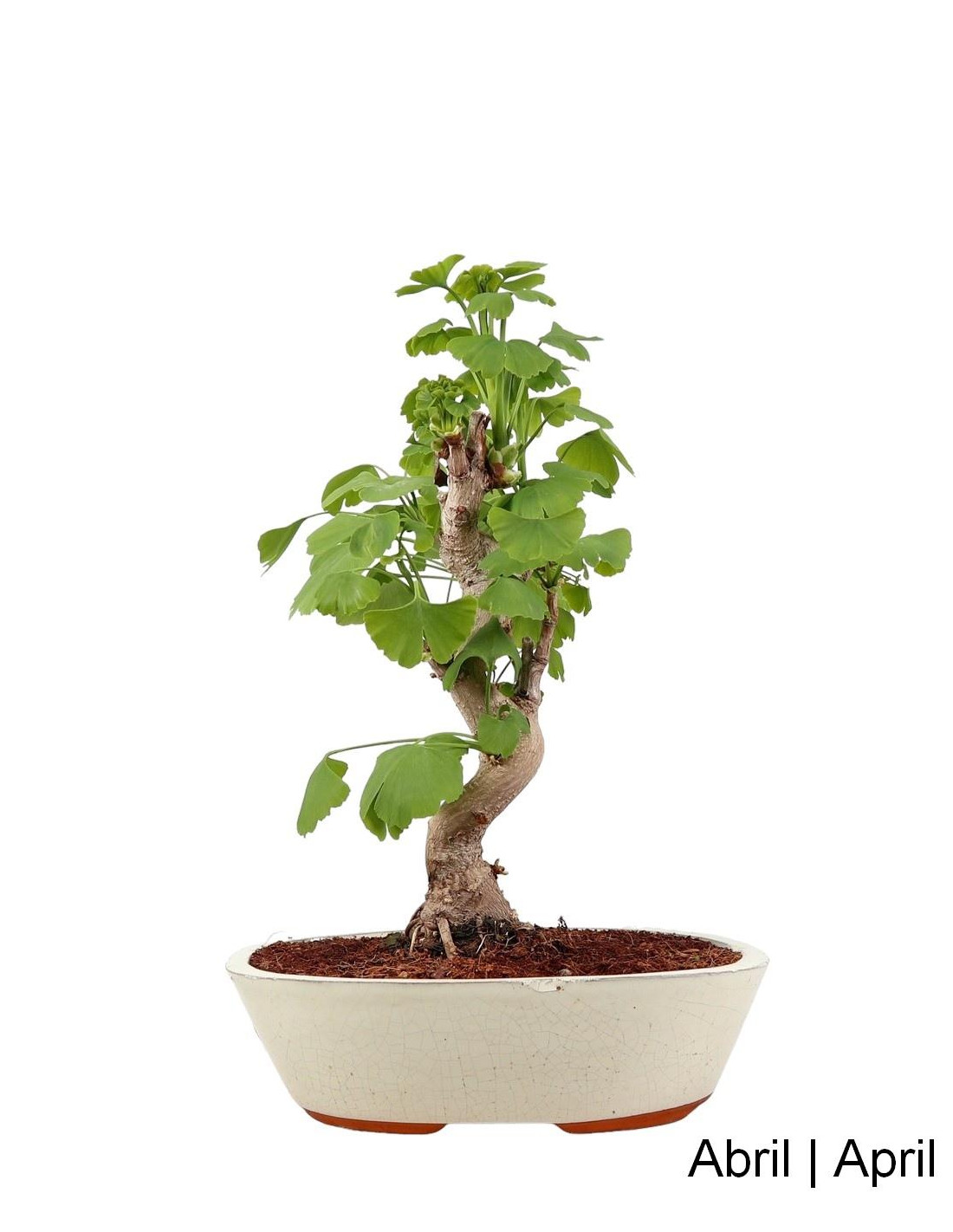
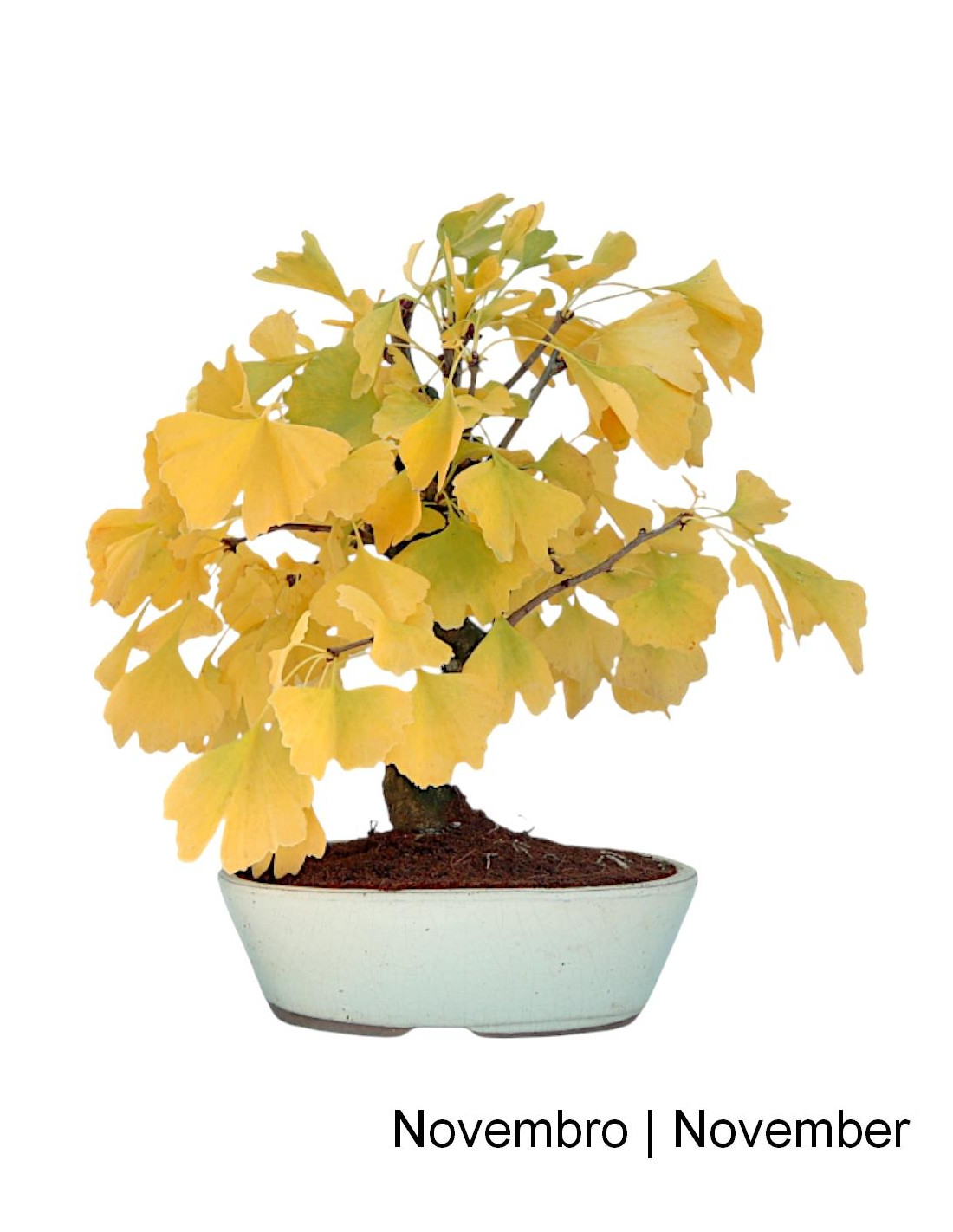
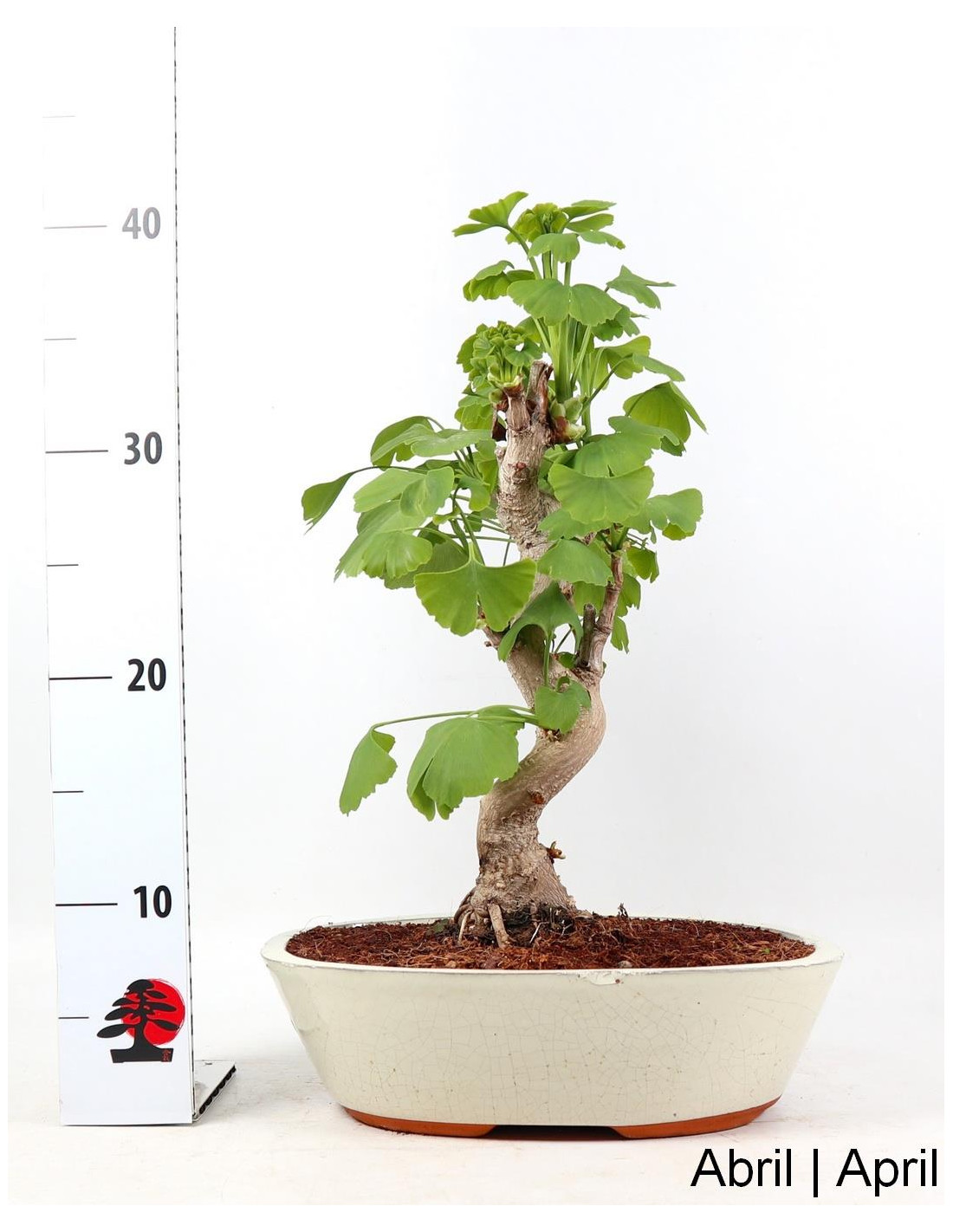
(*) Real Photo - The plant provided will be exactly the one in the photo, though it may be in a different phase of the vegetative cycle, not matching the image (with a different leaf tone, deciduous, with or without flowers or fruit, depending on the species).
You may request current photos of the Bonsai's condition at the time of ordering.
Generic Cultivation Sheet
In this sheet, we generally indicate the main care instructions for your Bonsai.
Location: (Depends on the species; if you cannot identify it, send us a photo to "dr.bonsai")
Indoor: As close as possible to a window with lots of light (no curtains or blinds), where it gets 2 to 3 hours of direct sunlight per day (ideally early or late in the day), rotate the tree 180º weekly, avoid air conditioning or heat sources very close to the Bonsai.
Outdoor: Outdoors, where it receives 2 to 3 hours of direct sunlight per day (ideally in the morning or late afternoon), protected from strong winds and frost.
Dual Location: There are species that, due to their adaptability characteristics, can live both outdoors and indoors (provided they are very exposed to light, sun, and without climate control).
Watering: Water the soil abundantly until plenty of water comes out of the drainage holes to evenly moisten the soil, always from above (never by immersion), using a watering can with very fine holes (there are specific ones for Bonsai).
Let the surface layer of soil dry out between each watering (to confirm if the plant needs water, touch the soil with your fingers).
If there is a tray under the Bonsai, never leave any water in it (to prevent the roots from rotting).
There is no benefit in misting the leaves; only do so on days you fertilize and if the fertilizer is specific for foliar application, but ensure the leaves dry by night to avoid fungi.
Nutrition: With "Fertil Bonsai" from February to October/November inclusive, and with "Bio Bonsai" from February to October outdoors, and all year indoors.
Pruning: "Maintenance" (new growths) whenever the plant deviates from its original shape and "Transformation" (old branches) at the beginning of spring or early autumn.
Transplanting: Every 2 years, with soil adapted to the species in question and "Rhiza Bonsai", ideally in the season following the acquisition of the Bonsai.
Jan./Feb./March: Outdoor and Dual location*
April/May/June: Indoor species
*Before the start of new bud growth.