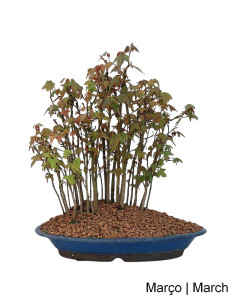
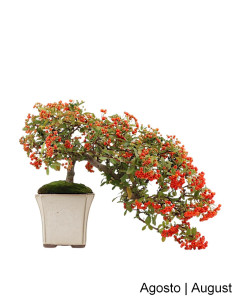
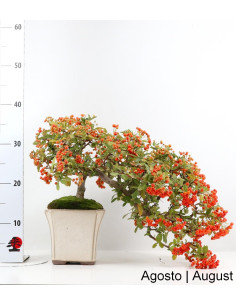
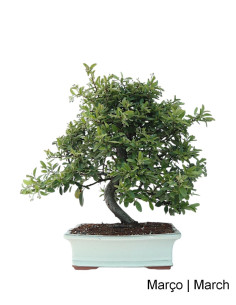
Shopping Cart
There are no more items in your cart
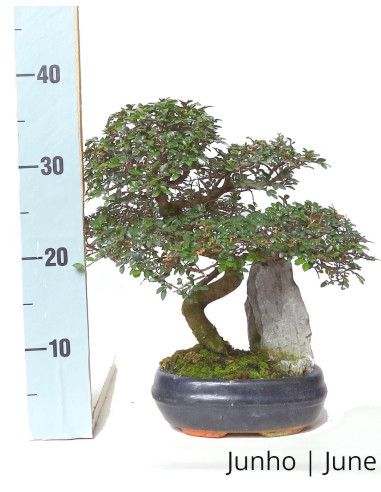
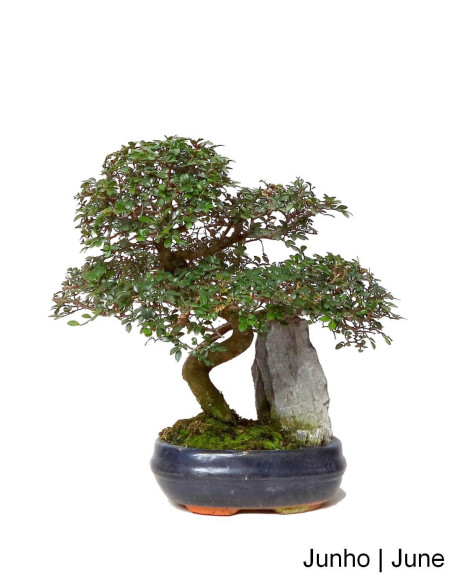
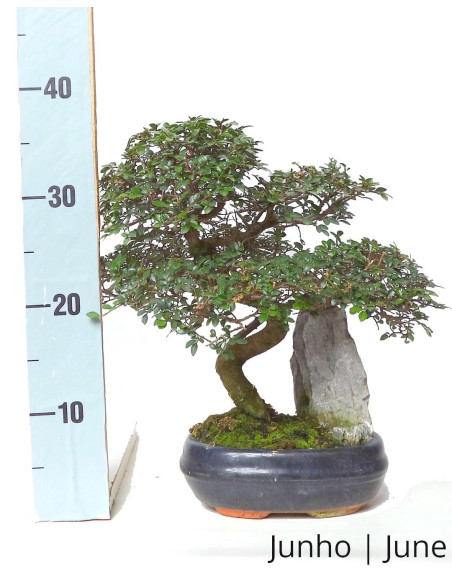
- -5%
- New

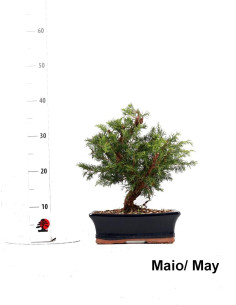
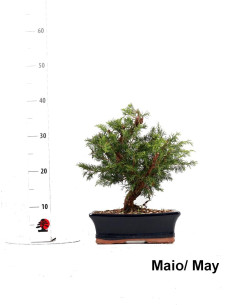
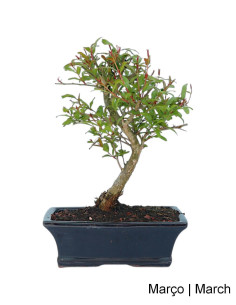
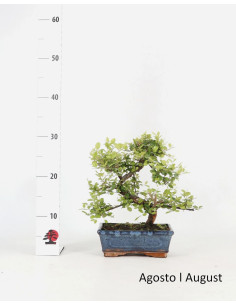
Species native to China, Korea, and Japan, belonging to the Ulmaceae family.
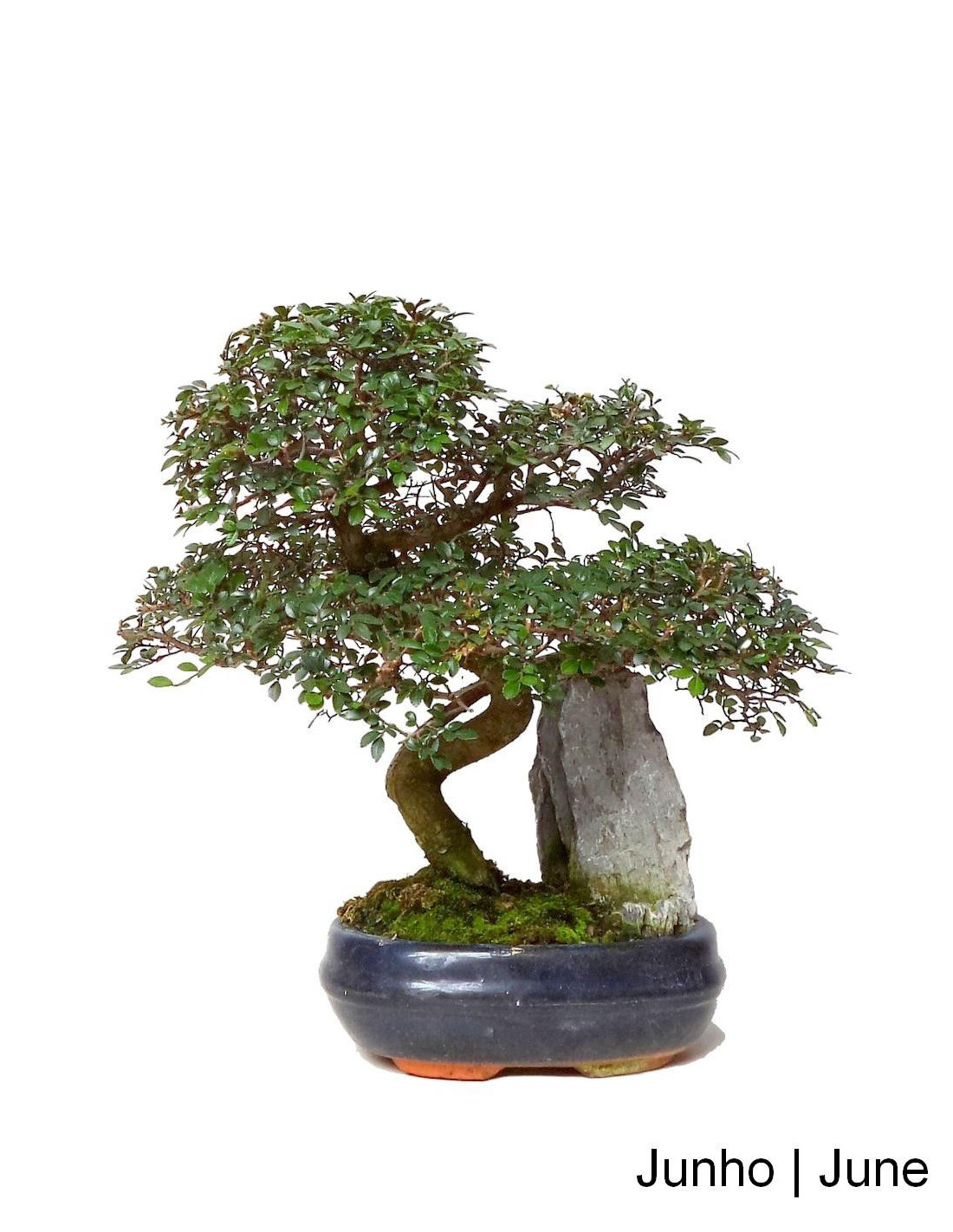
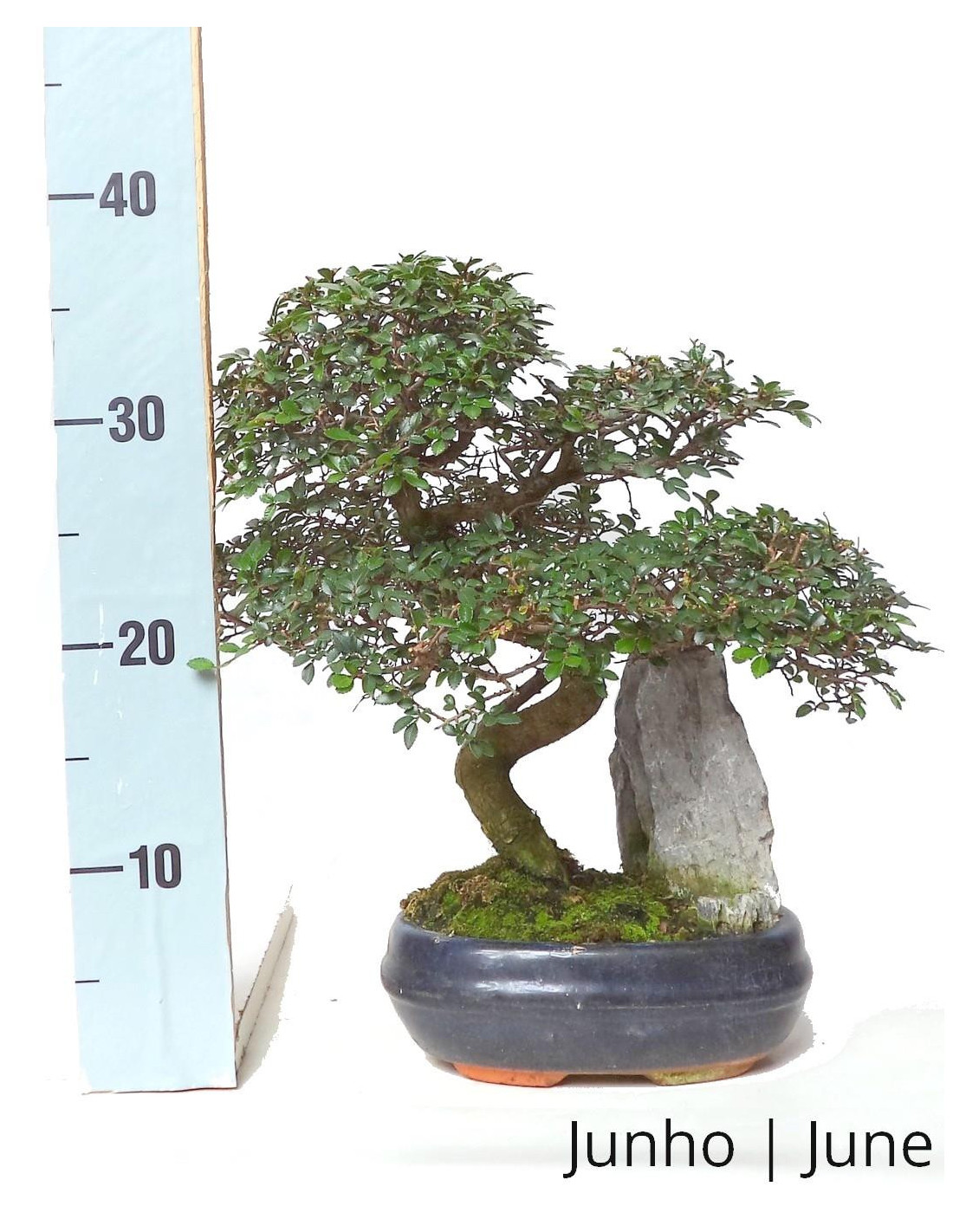
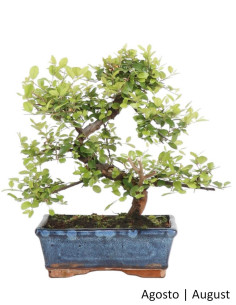
Also known as Chinese Zelkova, it is a small-leaved, semi-deciduous or deciduous tree, highly valued in Bonsai for its fine branching, bark (which develops "scales" with age), and ease of shaping.
The Elm Bonsai is a plant with dual placement.
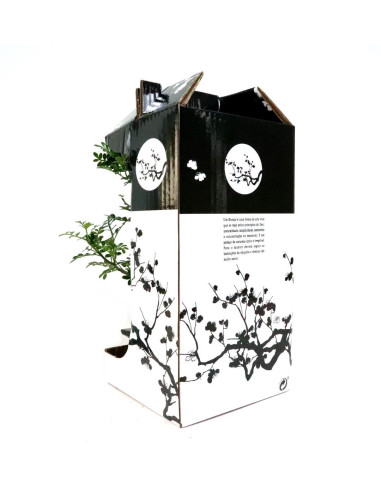
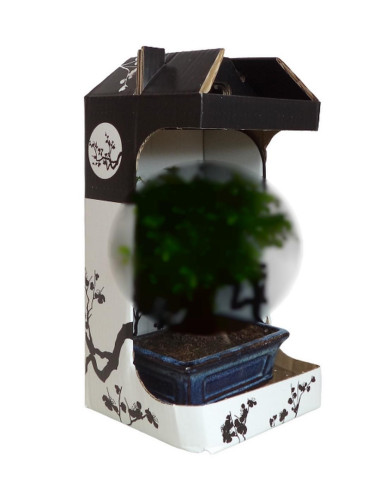
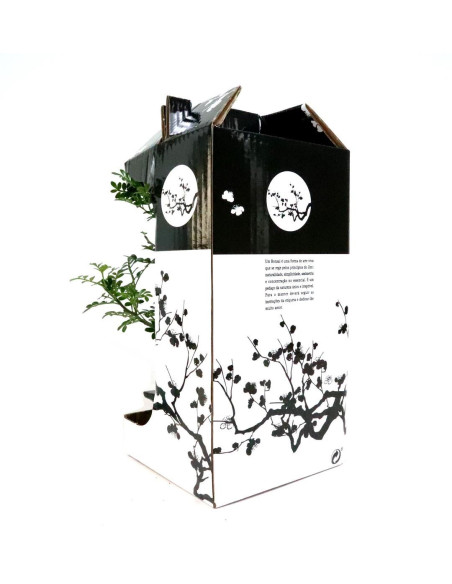
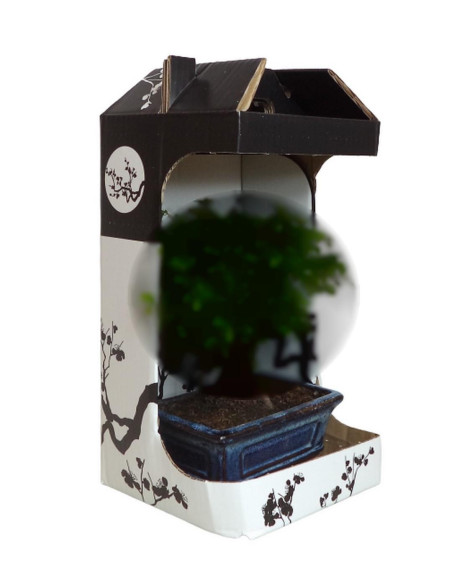
Gift Box Offer
Common Name: Chinese Elm (also Chinese Zelkova)
Scientific Name: Ulmus Parvifolia
Characterization: Native to China, Korea, and Japan, it belongs to the Ulmaceae family.
Also known as Chinese Zelkova, it is a Bonsai with small leaves, semi-deciduous or deciduous.
Highly appreciated in Bonsai for its fine branching, bark (which creates "scales" with age), and ease of shaping.
Location: Ideally prefers to live outdoors (where it can behave as a deciduous tree in harsher winters), although if grown indoors with good sunlight exposure and no air conditioning, it can also adapt.
It thrives well in both locations, requiring 2 to 3 hours of direct sunlight daily, and if indoors, it should always be placed next to a window without curtains or blinds.
Watering: Water the soil abundantly until a lot of water flows out of the drainage holes, to evenly moisten the soil, always from above and never by immersion, using a watering can with fine holes.
Tips about watering, see the watering technical sheet.
Water consumption depends greatly on the vegetative state; it is high when new leaves appear and becomes more moderate as the leaves mature.
Allow the top layer of soil to dry between each watering (to check if the plant needs water, touch the soil with your fingers).
If you have a tray under the Bonsai, never leave any water in it (to avoid root rot).
There is no advantage in misting the leaves; only do this on days you fertilize and if the fertilizer is specific for foliar application, but make sure the leaves dry by nightfall to prevent fungi.
Nutrition: From February to October/November, follow a basic plan composed of a complete fertilizer (Fertil Bonsai Humic, or Green & Gold Bonsai Organic or Biogold), and a biostimulant (Bio Bonsai Activ), which can also be combined with other products from our range.
Detailed information on how to combine these products with others from our range, or for a more specific nutrition plan, see the complete nutrition plan technical sheet.
Pruning: Formation pruning can be done at the end of winter before budding, or in summer after defoliation. Maintenance pruning should be done as new leaves appear, allowing 5 to 6 leaves to grow, then cutting after the first or second leaf.
Pruning tips, see the pruning and defoliation technical sheet.
Transplanting: With Terra Bonsai Folhosas at the end of January after the frosts, before budding begins, always with heavy pruning, or in summer with total defoliation.
Details about transplanting, post-transplant care, and specific fortifiers you can use, see the transplanting technical sheet.
Wiring: Can be wired all year round, usually with heavy pruning or defoliation.
Wiring instructions, see the wiring technical sheet.