Shopping Cart
There are no more items in your cart




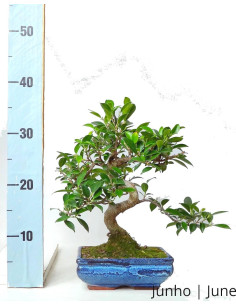
- -5%
- New

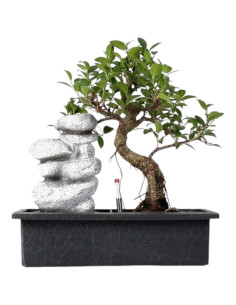
Species originating from Madagascar, it is part of the Rutaceae family.
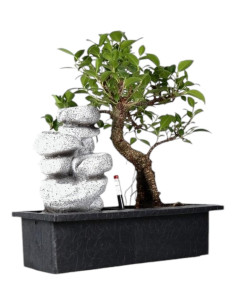
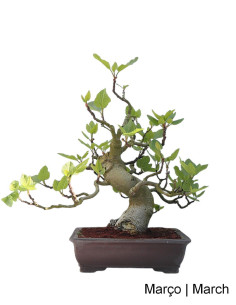
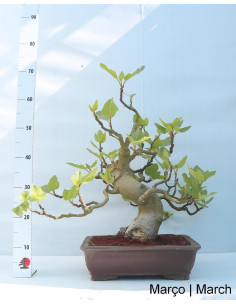
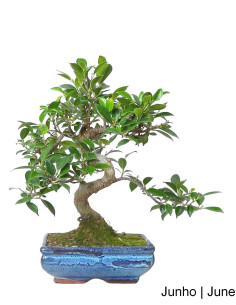
The Zanthoxylum Bonsai has deciduous, compound, shiny green leaves that emit a citrus scent when pruned.
It is also called Operculicarya, flowering in male and female plants, with no easy sexual dimorphism. It is rare for Bonsai to bear fruit, but to achieve this we need to have one plant of each.
The Zanthoxylum Bonsai is a plant of dual location.
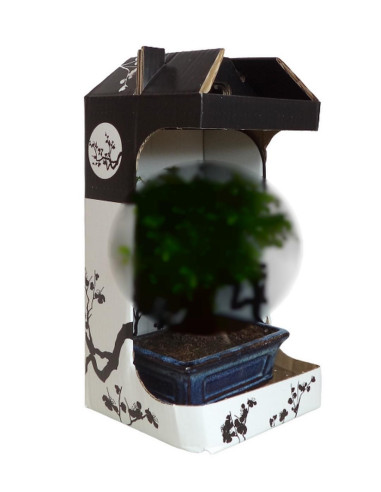
Gift Box Offer
Common Name: Zanthoxylum and Chinese Pepper Tree
Scientific Name: Zanthoxylum Piperitum
Characterization: Originating from Madagascar, it belongs to the Rutaceae family.
Medium-sized tree, with deciduous, compound, shiny green leaves that emit a citrus scent when pruned.
It is also called Operculicarya and flowers with male and female plants without easy dimorphism between genders. In Bonsai, it rarely bears fruit, but to achieve this, one must have a plant of each gender.
Location: It can live outdoors all year round, being deciduous. If grown indoors, it is likely to want to renew its leaves in mid-summer.
It should not be too protected in air-conditioned environments and needs a lot of sun, at least 2 to 3 hours a day (ideally early or late in the day), turning the tree 180° weekly.
Watering: Water the soil abundantly until a lot of water comes out of the drainage holes, to evenly moisten the soil, always from above and never by immersion, using a watering can with fine holes.
Tips about watering, consult the watering technical sheet.
Let the superficial layer of the soil dry between each watering (to confirm if the plant needs water, touch the soil with your fingers).
It tends to suffer from root rot due to excess water/lack of light, especially after heavy pruning, a time when watering should be moderated until new growth starts.
If there is a plate under the Bonsai, never leave any water on it (to avoid root rot).
There is no advantage in misting the leaves; only do so on days when fertilizing and if the fertilizer is specific for foliar application, but ensure the leaves dry by night to avoid fungi.
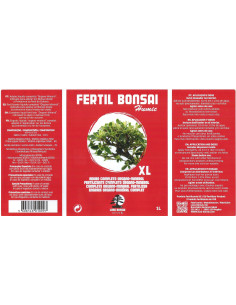
Nutrition: From February to October/November, follow a basic plan composed of a complete fertilizer (Fertil Bonsai Humic, or Green & Gold Bonsai Organic or Biogold), and a biostimulant (Bio Bonsai Activ), which can also be combined with other products from our range.
Detailed information on how to combine these products with others from our range or for a more specific nutrition plan, consult the complete nutrition plan technical sheet.
Pruning: Always done above the axil of a compound leaf. When grown indoors, it is common in summer to give a strong formative pruning so it regrows with new leaves.
Tips about pruning, consult the pruning and defoliation technical sheet.
Transplanting: Using Bonsai Leafy Soil in February/March, before budding begins and with strong pruning.
Details about transplanting, post-transplant care, and specific fortifiers you can use, consult the transplanting technical sheet.
Wiring: Can be wired all year round.
Instructions about wiring, consult the wiring technical sheet.